


Completing inpatient rehab marks a significant milestone in your journey to recovery—but it’s only one part of the path. The transition from a structured inpatient environment to outpatient treatment is a critical period, requiring careful planning, preparation, and ongoing support.
At Freedom Recovery, a leading addiction recovery center in Ohio, we specialize in guiding individuals through this pivotal transition. Our programs—ranging from flexible outpatient rehab Ohio to structured intensive outpatient rehab Ohio and convenient telehealth addiction treatment in Ohio—ensure that your move from inpatient to outpatient care is smooth, supported, and sustainable.
This detailed guide will cover the essential steps, strategies, and resources to make your transition as seamless and successful as possible.
Why a Smooth Transition from Inpatient to Outpatient Rehab Matters
Transitioning from inpatient rehab to outpatient treatment represents a significant shift in the recovery process. While inpatient care offers a highly structured, supervised environment, outpatient rehab places increased responsibility on the individual, requiring self-management and accountability.
Benefits of a Smooth Transition:
- Reduced risk of relapse
- Improved emotional stability and confidence
- Enhanced long-term recovery outcomes
- Continuity of care and support
Freedom Recovery’s drug addiction treatment program in Ohio is carefully structured to support you at every stage, ensuring continuous progress and stability.
Planning Ahead: Steps to Prepare for Outpatient Rehab
Proper preparation before leaving inpatient treatment can make your transition much smoother. Here’s how to plan ahead effectively:
1. Establish Clear, Realistic Goals
- Set specific short-term and long-term goals for your recovery.
- Identify potential challenges or triggers you may face during outpatient care.
- Discuss these goals regularly with your inpatient care team.
2. Coordinate with Your Outpatient Team
- Connect with your new outpatient therapist or counselor prior to discharge.
- Arrange initial outpatient appointments at our addiction treatment center Ohio or via our accessible telehealth services.
- Clearly communicate your inpatient treatment history, successes, and challenges.
3. Create a Structured Schedule
- Plan your daily routine in advance, including therapy sessions, work, exercise, and social activities.
- Structure your week to include regular check-ins via our telehealth addiction treatment in Ohio, providing ongoing accountability.
Strategies for a Smooth Transition from Inpatient to Outpatient Care
Once you leave inpatient care, implementing the following strategies can significantly enhance your transition experience:
1. Utilize Intensive Outpatient Rehab Ohio (IOP)
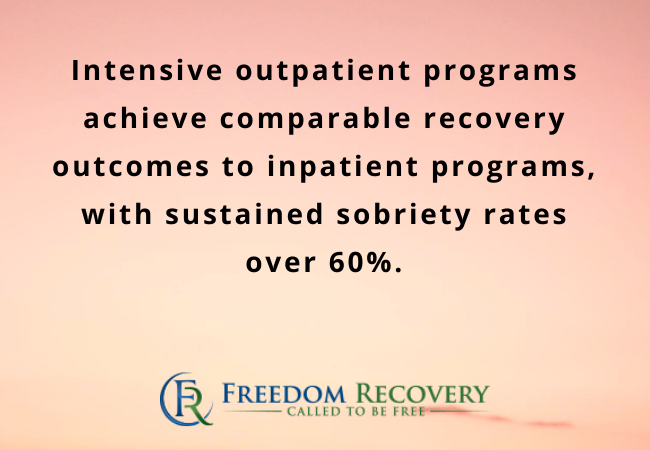
An intensive outpatient program provides a critical bridge, offering structured support without requiring inpatient residency.
- Benefits of Intensive Outpatient Rehab:
- Frequent therapeutic interactions (3–5 sessions per week)
- Structured daily or weekly schedules
- Immediate professional support for relapse prevention
- Strong peer support and accountability
2. Leverage Telehealth Addiction Treatment in Ohio
Freedom Recovery’s telehealth options allow continuous support during this critical transition, providing therapy and counseling sessions accessible from your home.
- Benefits of Telehealth:
- Convenient scheduling, reducing stress during transition
- Consistent access to therapists and counselors
- Immediate support in moments of vulnerability or difficulty
3. Continue Personalized Substance Abuse Counseling
Regular individual counseling sessions ensure continuity of care, providing ongoing emotional support, practical coping strategies, and professional guidance tailored to your personal recovery journey.
4. Strengthen Your Support Network
Family and peer support are essential during this transition period. Freedom Recovery emphasizes family therapy and community involvement to reinforce support networks crucial for sustained sobriety.
Managing Common Challenges During the Transition
Even with the best planning, transitions can present unique challenges. Here’s how to proactively address common issues:
1. Managing Increased Independence
- Establish daily accountability routines, such as daily check-ins or regular therapy sessions.
- Leverage our telehealth services for immediate assistance when facing unexpected difficulties.
2. Avoiding Triggers and Temptations
- Clearly identify personal triggers and develop proactive coping strategies during your substance abuse counseling in Ohio sessions.
- Engage actively in community-based peer groups for additional accountability.
3. Dealing with Stress and Anxiety
- Utilize learned coping mechanisms such as mindfulness, meditation, or structured physical activity.
- Regularly discuss stress management strategies during your outpatient therapy sessions at our drug rehab center in Ohio.
The Crucial Role of Family During the Transition
Family involvement remains crucial during the inpatient-to-outpatient transition, providing emotional support, stability, and accountability. Freedom Recovery actively involves family members throughout the outpatient treatment process.
- Benefits of Family Support:
- Reduced relapse rates through enhanced accountability
- Stronger emotional support and motivation
- Improved family communication and dynamics through regular counseling sessions
Utilizing Community Support and Resources
Community support can significantly enhance your outpatient recovery experience.
Key Community Resources:
- Local support groups (AA, NA, SMART Recovery)
- Volunteer opportunities and community service
- Employment and educational resources
- Recreational and sober social activities
Freedom Recovery connects clients to these essential community resources, significantly enhancing their overall transition and recovery experience.
Why Choose Freedom Recovery for Your Transition to Outpatient Rehab
At Freedom Recovery, we understand that transitioning from inpatient to outpatient care is a critical step that requires specialized attention and structured support. Our comprehensive programs provide:
- Individualized Transition Plans: Carefully tailored to meet your specific recovery needs.
- Comprehensive Telehealth Services: Convenient virtual therapy options to support continuous treatment.
- Intensive Outpatient Programs (IOP): Structured sessions ensuring regular support.
- Family-Focused Therapy: Comprehensive family counseling and involvement to strengthen your support system.
- Strong Community Connections: Active engagement with local recovery communities and resources.
- Personalized Substance Abuse Counseling: Consistent individual attention from expert therapists throughout your outpatient journey.
Conclusion
Transitioning from inpatient rehab to outpatient treatment is a pivotal moment in your recovery journey, requiring preparation, support, and continued accountability. With careful planning, structured support, accessible telehealth services, and comprehensive outpatient care, your transition can be smooth, empowering, and successful.
At Freedom Recovery, your trusted addiction recovery center in Ohio, we’re committed to supporting you every step of the way. Whether through structured intensive outpatient rehab Ohio, accessible telehealth treatment, or personalized substance abuse counseling in Ohio, we provide the essential tools and support needed for a successful transition and lasting sobriety.
Ready to ensure a smooth, successful transition from inpatient to outpatient rehab? Call Freedom Recovery today at 614.754.8051 to learn more. Your recovery is our priority—let’s make this transition together.
FAQ on Transitioning from Inpatient to Outpatient Rehab
Why is the transition from inpatient to outpatient rehab crucial?
The transition period is vital for maintaining recovery momentum. A smooth transition helps prevent relapse, reinforces coping skills, and strengthens long-term sobriety.
How can Freedom Recovery help me transition successfully?
Freedom Recovery provides personalized transition plans, structured outpatient therapy, intensive outpatient programs, family support, and convenient telehealth services to ensure a smooth and successful transition.
What is Intensive Outpatient Rehab (IOP)?
IOP involves attending frequent therapy sessions several times per week, offering structured support and ongoing accountability without requiring inpatient residency.
Can I use telehealth during my transition to outpatient rehab?
Yes, Freedom Recovery offers telehealth addiction treatment in Ohio, making therapy accessible, consistent, and convenient, especially during the critical transition period.
What role does family play during the transition?
Family involvement significantly enhances emotional support, accountability, and overall recovery success. Freedom Recovery includes family counseling and education in your transition plan.
How do I handle triggers after inpatient rehab?
Our outpatient programs provide personalized coping strategies, frequent counseling sessions, and community support resources to help manage triggers effectively during your transition.