



Exercise: Your Body & Mind
There are many tools to utilize during recovery, and by tackling substance abuse from all angles you can reduce the likelihood of relapse. Incorporating daily practices into your life helps prevent addiction relapse and promotes a healthy lifestyle. Physical activity can play a major role in someone’s recovery journey providing emotional, mental, and physical benefits.
Not only are we taking care of ourselves in new ways, but we are taking advantage of the benefits that physical exercise provides including reducing stress, improving mood, reducing cravings, providing an empowering daily routine, and more. Physical exercise improves both our mind and body, and when incorporated with other strategies can be an influential factor in maintaining sobriety.
Benefitting Your Mind

For many the mental benefits of physical activity can be life-changing. By introducing these strategies of physical exercise you can take advantage of the psychological benefits. Both drug and alcohol abuse impair cognitive function, memory, and in some cases our overall behavior. These symptoms become more and more prevalent with addiction, but with physical exercise, they can be reduced. Any regular physical activity nourishes our brain, which can improve our overall cognitive health. Increased fitness activities help with our overall mental health by improving our mood and providing help for hormones and endorphins.
The Physical Benefits of Exercise
After completing an addiction recovery program people may have trouble navigating a normal, healthy routine. Exercise can help promote a healthy sleep schedule and regulate our brains. Alcohol may reduce blood flow to the brain, so by incorporating physical exercise into your recovery journey, you can increase overall blood flow in your body. Physical exercise can come in many forms including dance, running, weight lifting, hiking, biking, and more. Don’t limit your possibilities based on what other people suggest; find a physical activity that you enjoy and that makes you happy! Physical exercise should not be overlooked as a vital tool that we have at our disposal to fight off addiction, cravings, and relapses.
How Exercise Reduces Stress

Physical activities can play a major role in a holistic approach to sobriety. Recovery from drug or alcohol addiction introduces new stressors into your life and can weigh on you over time. Regular fitness and endurance training help relieve stress and can help you to regularize your mental health, stress, and anxieties. While not something one would traditionally associate with mindfulness, physical activity is a unique, therapeutic approach to maintaining sobriety which helps your mind focus on the present.
One of the major benefits we see from regularly doing physical exercise is the production of serotonin. Serotonin is a crucial hormone that promotes a better mood, helps with sleep, reduces stress levels, and more. During addiction recovery, we may see increased rates of anxiety and depression. By introducing regular physical activity into your life you may be able to reduce cravings by replacing that high with fitness. It is documented that physical activity can provide temporary relief from craving certain substances like alcohol. None of the experiences of physical exercise will match the high one gets from a drug but it can act as a replacement through the release of endorphins. If physical activity and regular exercise are new to you, start with a simple program and increase frequency and intensity over time. Incorporating physical exercises at high levels of intensity can be overwhelming and exhausting, but increasing slowly builds confidence and endurance.
Creating Structure During Recovery
Oftentimes those in recovery will speak of the overwhelming sense of free time they have after having gone through rehab. Not only do they have more free time, but they also experience time differently compared to before they became sober. Creating structure is a key element for many people in recovery. There are significant benefits to incorporating physical activity into your recovery journey and creating structure can be especially helpful. After addiction recovery, a structure supports the patient by guiding them throughout each day and pushing them to stay focused on their goals.
With daily workout routines, you create a new level of accountability for yourself. Some find taking classes or having workout partners to be beneficial because there is an expectation for them to follow through. Focus on whatever physical activity you enjoy most and enjoy the process. Allow fitness to be a tool in your recovery journey and to help you maintain sobriety.
Improving Your State of Mind through Physical Activity
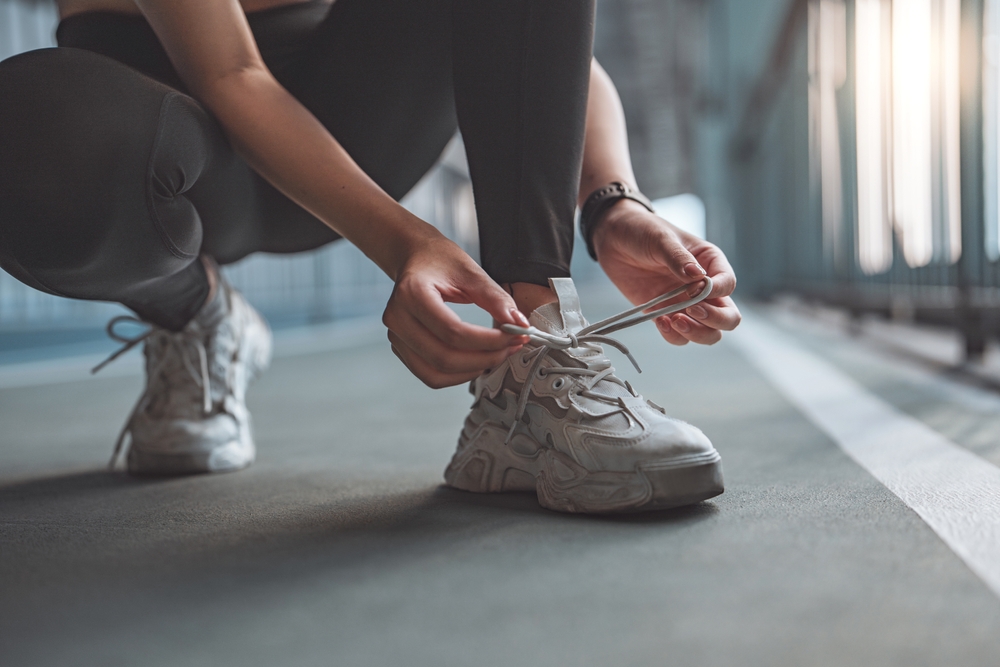
Substances that cause addiction, like alcohol, play a major role in psychological well-being. There often is a high associated with physical fitness which is a result of dopamine being released. This high is often experienced after intense physical exercise, long runs, or endurance training. Dopamine can promote a positive mood, self-fulfillment, and general happiness. Through incorporating physical exercise into your daily life you can experience these endorphins which naturally occur in the body and reduce cravings for addictive substances.
Increased physical activity can also train your brain in resilience. You will feel the emotional benefits over time by increasing the intensity of your workouts. Building mental resilience reduces the likelihood of a stressful event being a triggering moment. Physical exercise is a great tool to utilize during recovery as it can drastically improve your state of mind and help you with cravings, and mood, reduce negative feelings and thoughts, and help you to regularly fight off addiction.
Increasing Sleep Quality After Addiction Treatment
Getting an appropriate amount of sleep can be difficult for anyone, and we often see those in recovery struggling to maintain a healthy sleep schedule. Sleep plays a major role in our health and often impacts our mental health more than we realize. In fact, a common tool taught to those in recovery is HALT, which stands for Hunger, Anger, Loneliness, and Tiredness. By checking in with these 4 states and giving our bodies and minds what they need we can stop a potentially triggering moment.
Physical exercise will improve our overall sleep, help regulate our sleep schedule, and make you feel more tested on a daily basis. Stress hormones are released in our bodies when we lack sleep, which can lead to triggering events and higher stress levels. Adequate rest will improve our overall mood, reduce the likelihood of stress, and help our bodies stay healthy. Don’t underestimate the way physical exercise and adequate sleep can help with addiction recovery!
Freedom Recovery Addiction Treatment
With Freedom Recovery you have the opportunity to join one of our outpatient programs designed to help those who struggle with drug and alcohol abuse. Through therapy, counseling, accountability, and recovery exercises you can build a new life. We provide outpatient recovery programs, as well as IOP. Our goal is to help patients find their way to sobriety and empower them to continue their journey long after treatment.
Our Faith-Centered Methods
Freedom Recovery takes a unique faith-centered approach to addiction recovery. We incorporate spirituality, faith, and religious practices into our recovery program. Patients will have access to spiritual leaders during their addiction treatment. Prayer, meditation, and other faith practices can be incorporated in order to strengthen the patient’s faith and spiritual health. If you are interested in our faith-based approach contact Freedom Recovery to learn more.
Contact Our Addiction Recovery Center
To learn more about the programs Freedom Recovery offers contact our offices and speak with one of the program staff members. Once a patient begins their recovery with us we will provide an assessment to best understand their recovery needs and how we can best help!