



You’ve already tried. Conversations, boundaries, second chances. Maybe even treatment once before.
And now here you are again—watching your child slip further away, wondering what you missed.
We want you to hear this clearly: you didn’t fail them. And you’re not out of options.
If you’re trying to understand what help could look like right now, even when they’re resistant, our addiction treatment programs are designed to meet people exactly where they are—not where anyone wishes they’d be.
You Can’t Force Readiness—But You Can Change the Environment
One of the hardest truths for parents is this: you can’t make your child want recovery.
No amount of pleading, reasoning, or loving harder can flip that switch for them.
But readiness isn’t always a lightning bolt. Sometimes it’s a slow shift that happens when the environment around them changes—when they feel less judged, less cornered, and more understood.
That’s where treatment can step in differently.
Not as a demand.
Not as punishment.
But as a place that lowers the pressure just enough for honesty to begin.
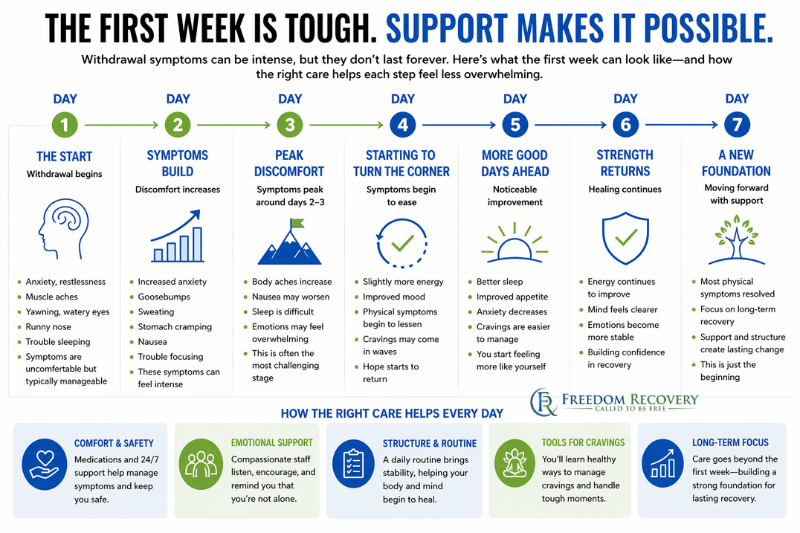
What the First Week Often Looks Like (And Why It Matters)
If your child is using opioids, you may already be searching things late at night like how long do pain pill withdrawals last first week.
You’re not alone in that.
The first week can be physically and emotionally intense. Symptoms may include restlessness, anxiety, body aches, nausea, and deep exhaustion. It’s uncomfortable—and for many, it’s enough to pull them right back into using just to make it stop.
But here’s what often gets missed:
The first week isn’t just about getting through symptoms.
It’s about being supported through them.
Without structure or support, withdrawal can feel overwhelming and isolating. With the right care, it becomes something survivable—and even meaningful.
Resistance Doesn’t Mean They Don’t Care
It’s easy to interpret pushback as defiance or apathy.
But in reality, resistance often sounds more like this inside their head:
- “I don’t think I can do this.”
- “What if I fail again?”
- “What if I have to feel everything?”
Avoidance isn’t always about not caring.
Sometimes it’s about being scared of what comes next.
Treatment that meets people where they are doesn’t demand immediate commitment to forever. It focuses on what they can handle today.
Meeting Them Where They Are Isn’t Giving Up—It’s Strategic
There’s a difference between enabling and meeting someone where they are.
Meeting them where they are might look like:
- Letting them enter care even if they’re unsure about quitting completely
- Focusing on stabilization before long-term decisions
- Giving them space to build trust with clinicians instead of forcing compliance
It’s not lowering the bar.
It’s creating a path they can actually walk.
And sometimes, that’s what leads to deeper commitment later.
You Still Have a Role—Even If It Feels Unclear
Right now, your role may feel confusing.
Do you push harder? Step back? Say yes? Say no?
The answer isn’t one-size-fits-all. But your presence still matters—more than you think.
Not as the fixer.
Not as the enforcer.
But as the steady person who hasn’t disappeared.
Treatment can support you, too—helping you find boundaries that protect your peace without closing the door on them.
If you’re exploring options for care in Grove City or nearby areas, there are ways to stay involved without carrying everything alone.
Change Doesn’t Always Start With Willpower
There’s a common belief that someone has to “want it” before anything can change.
But that’s not always how it works.
Sometimes change starts with:
- A moment of relief
- A conversation that feels different
- A place that doesn’t feel like judgment
Treatment can create those moments.
Even for someone who says they’re not ready.
You’re Not Too Late—and Neither Are They
It might feel like you’re running out of chances. Like this is the last window before something worse happens.
That fear is real. And it’s heavy.
But people come back from this. Every day. Even after multiple attempts. Even after saying “no” a dozen times.
If you’re looking for support in Upper Arlington or surrounding communities, know that there are programs built for exactly this stage—not just the “ready” version of your child, but the one you’re facing right now.
There Is Still a Way Forward
You don’t have to wait for the perfect moment.
You don’t have to wait for them to say all the right things.
Sometimes the next step is simply learning what options exist—and being ready when a small opening appears.
Call (888)643-7567 or visit our Addiction treatment program services in Columbus, Ohio to learn more.