



You already know something has to change.
That’s why you’re here.
You’re not in denial. You’re not clueless. You’ve probably had the quiet realization more than once: I can’t keep living like this.
And still, picking up the phone feels terrifying.
If you’ve been reading about Freedom Recovery’s drug addiction treatment services but haven’t reached out yet, you’re not weak.
You’re standing at the edge of something unfamiliar.
Let’s talk about what no one tells you.
No One Tells You That You Don’t Have to Be 100% Sure
There’s this idea that you should walk into treatment completely certain.
Resolved. Confident. Ready.
That’s not how it usually works.
Most first-time treatment seekers walk in unsure. Scared. Ambivalent.
You don’t have to promise sobriety forever.
You just have to be willing to interrupt the pattern long enough to breathe.
Certainty grows later.
No One Tells You That You’re Probably More Exhausted Than You Realize
Managing addiction is work.
You calculate timing. You manage perception. You hide evidence. You plan around hangovers. You recover from mistakes.
Even if you’re “functional,” you’re carrying a second full-time job.
When people first enter Drug Addiction Treatment, one of the earliest shifts isn’t dramatic emotional breakthroughs.
It’s rest.
Sleep returns. The constant mental math slows down. The body starts to settle.
You might not even realize how tired you are until you finally stop running.
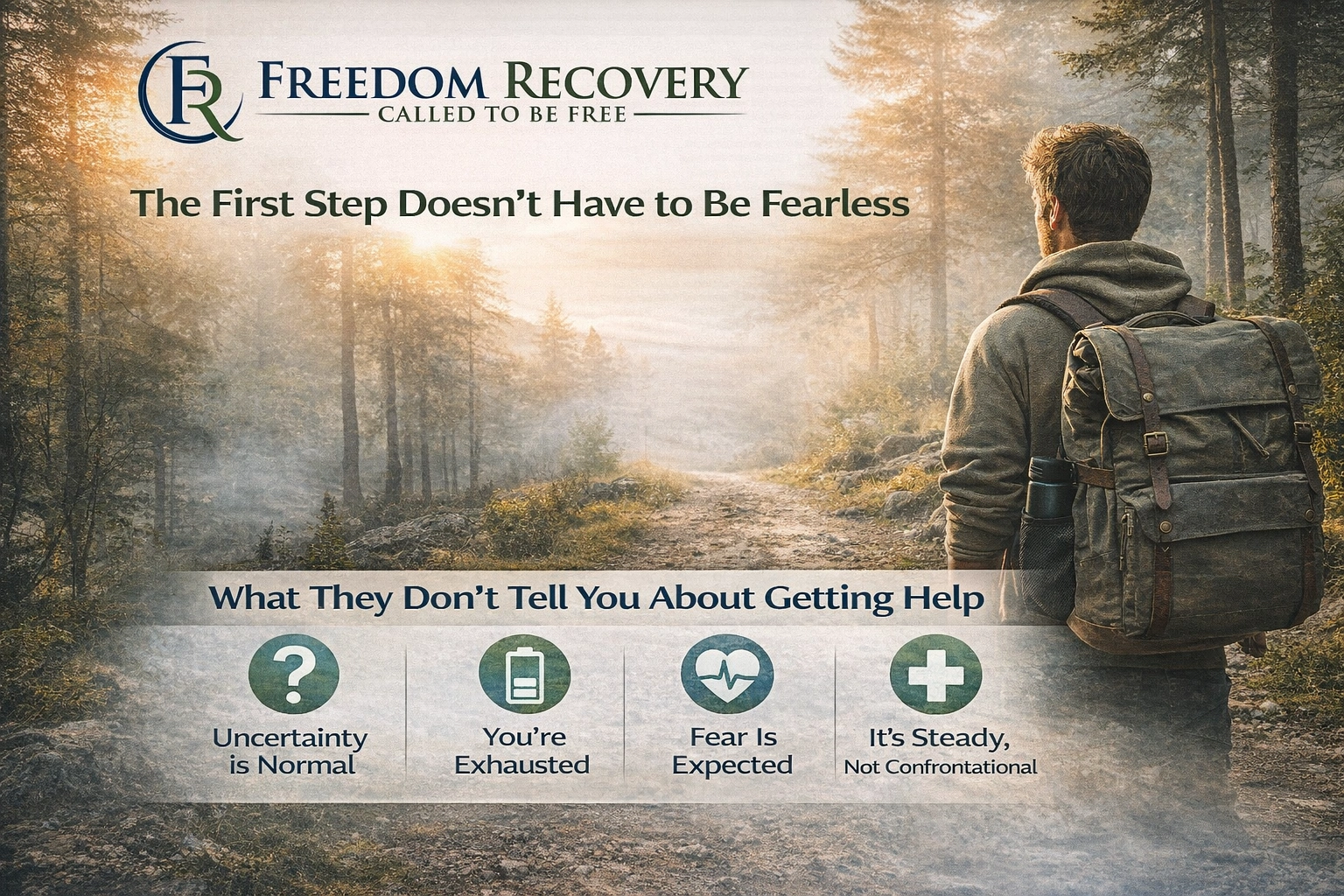
No One Tells You That Fear Is Expected
You might be afraid of:
- Losing control
- Being judged
- Facing emotions sober
- Being labeled
- Not succeeding
Those fears are not red flags.
They’re normal.
Fear shows up whenever something important is at stake.
Good treatment doesn’t dismiss fear.
It works with it.
No One Tells You That It’s Not About Breaking You Down
Some people imagine harsh confrontation.
Public call-outs. Brutal honesty. Being told everything you’ve done wrong.
Accountability matters. But humiliation doesn’t heal anyone.
Effective care is structured, not aggressive.
It’s steady.
It creates safety so your nervous system can calm down enough to think clearly.
For individuals near Marysville, Ohio, accessible help in Addiction provides that containment without chaos.
You’re not walking into punishment.
You’re walking into stabilization.
No One Tells You That the First Days Are Usually Quiet
Movies make treatment look intense from minute one.
In reality, the beginning is often slower.
Assessments. Conversations. Sleep. Orientation.
Your body may feel heavy. Your thoughts may feel foggy.
Stabilization comes before transformation.
The brain needs time to recalibrate.
Change doesn’t usually explode into your life.
It unfolds.
No One Tells You That Change Feels Strange Before It Feels Good
Early recovery can feel unfamiliar.
Without substances, emotions might feel sharper at first. Or flatter.
Silence might feel louder.
You might interpret that discomfort as “this isn’t working.”
But often, it’s your system adjusting.
You’ve been living in a heightened state.
Regulation can feel foreign before it feels safe.
For those exploring care in Addiction in Upper Arlington, Ohio, that adjustment phase is supported — not rushed.
You don’t have to navigate that recalibration alone.
No One Tells You That You Don’t Lose Yourself
A common fear is identity loss.
Who am I without this?
Will I still be funny? Creative? Social? Confident?
Substances often become intertwined with personality.
But what we consistently see is this:
When substances stop dictating mood and energy, personality becomes clearer.
Not smaller.
Clearer.
You don’t disappear.
You stabilize.
No One Tells You That You Can Move at a Human Pace
There’s fear that once you start, everything gets ripped open immediately.
Deep trauma. Painful memories. Big conversations.
That’s not how responsible care works.
Early phases focus on:
- Physical stabilization
- Emotional regulation
- Building trust
- Creating routine
You are not required to unpack your entire life in week one.
Pacing matters.
Safety matters.
No One Tells You That You’re Allowed to Still Function
Some people hesitate because they’re still working. Still parenting. Still managing responsibilities.
They think they haven’t “earned” treatment because they haven’t collapsed publicly.
You don’t need catastrophe to qualify for support.
Functioning does not equal unaffected.
Many people seek Drug Addiction Treatment before losing everything — and that early intervention protects what they’ve built.
Waiting for rock bottom is not a requirement.
It’s a risk.
No One Tells You That Relief Can Feel Subtle
The first signs of improvement are rarely dramatic.
It might look like:
- Sleeping through the night
- Fewer racing thoughts
- A calm conversation without escalation
- Waking up without panic
Those changes are quiet.
But they’re powerful.
Recovery often begins with steadiness, not fireworks.
Frequently Asked Questions
What If I’m Not Ready for Forever?
You don’t have to decide forever. You’re deciding to take the next step. Recovery is built one day at a time, not one lifetime at a time.
Will I Be Judged for My History?
Structured care environments are designed for confidentiality and respect. Everyone there understands what it feels like to struggle. Judgment isn’t productive. Healing is.
What If I Fail?
Recovery is rarely linear. If you stumble, that does not erase progress. It becomes information — something to adjust and learn from. You are not graded. You are supported.
How Long Does It Take to Feel Better?
Everyone’s timeline is different. Some notice physical stabilization quickly. Emotional clarity can take longer. Consistency matters more than speed.
What If I’m Still Afraid?
You can be afraid and still move forward.
Courage is not the absence of fear.
It’s taking the next step despite it.
If You’re Hovering at the Edge
Right now, you might be toggling between relief and terror. Part of you knows something needs to change.
Part of you wants to delay. That tension is normal. But here’s the truth no one tells you:
The moment you stop carrying this alone is often the moment hope becomes louder than fear. You don’t have to be certain.
You don’t have to be fearless. You just have to be willing.
Call (888)643-7567 to learn more about our Drug Addiction Treatment in Columbus, Ohio.