



You believed you were done. You told yourself you’d heal on your own—or that things would “normalize” again if you stayed away.
Then the relapse happened. A slip. A return to substance use. A decision you regret.
Now you’re tangled in silence, shame, and fear.
But relapse doesn’t erase your effort. It doesn’t make your pain invalid. And quitting outpatient treatment doesn’t close the door forever.
At Freedom Recovery, we’ve walked this path with many who left, relapsed, and wondered whether to come back. You’re not alone. You’re not disqualified. And there is a way forward.
Here’s how to handle relapse—not as failure, but as a signal—and how to step back into outpatient rehab in a way that honors your journey and supports your growth.
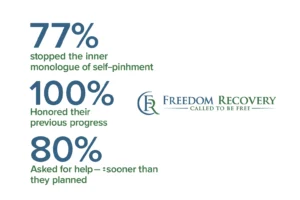
1. Stop the Inner Monologue of Self‑Punishment
When relapse hits, the internal narrative often goes something like:
“I failed.”
“I blew it.”
“They’ll never take me back.”
Those thoughts are powerful. But they are not truth.
You don’t gain anything good by replaying your missteps. The first thing you need to do is name what happened, without layering it in judgment.
- Say: “I used.”
- Say: “I slipped.”
- Don’t have to justify, minimize, or spin.
Relapse is part of many recovery stories. It doesn’t erase your worth. It’s a painful sign that you need more support—or a different support structure.
2. Honor the Progress You’ve Already Made
You’re tempted to think you’re starting over. To believe that none of the work you’ve done matters.
That’s not true.
All the sessions you attended. All the coping tools you practiced. The insight you gained about triggers, cravings, and yourself—those are still yours.
Relapse interrupts. It doesn’t erase.
When you go back, you don’t have to act like you’re brand new. You can say: “I’ve already done some work. Let’s pick up from there.”
Your history, even the flawed parts, can guide your next steps.
3. Use the Relapse as a Map for What’s Missing
Relapse is painful—but it’s informative. It shows where defenses dropped, where loneliness crept back in, where discipline waned.
Ask yourself:
- What was going on emotionally, mentally, relationally in the days before?
- Were there specific triggers you ignored—stress, sleep loss, conflict?
- Where did you feel most vulnerable or disconnected?
- What coping strategy failed first?
Frame relapse not as a defeat, but as a window. A chance to see blind spots you couldn’t see before.
Capture what led you there—and carry those lessons forward into renewed care.
4. Reach Out—Even If You Think You Don’t Deserve It
One barrier to returning is the fear: “They’ll say no.” “They’ll judge me.” “It’s too late.”
In many outpatient rehab settings—including Freedom Recovery’s outpatient rehab in Columbus, Ohio—welcoming back clients is part of the design. The door is rarely closed. You don’t need perfect answers or a polished apology. You just need the intention to return.
You can begin with a simple message:
- “I relapsed. I’d like to talk about coming back.”
- “I left earlier. I’m having trouble now. Can we reconnect?”
You may feel shame. Use it as fuel—not as a barrier.
5. Start Small, With One Step Forward
Returning doesn’t always mean full re-entry all at once. Sometimes the best step is the smallest one.
You might:
- Ask for a reassessment of where you left off
- Request an individual session before resuming groups
- Reconnect with a therapist or counselor you trusted
- Set an appointment—not commit to the full schedule yet
You don’t need to prove anything. You just need to move toward connection.
The first move doesn’t need to be perfect—it just needs to be forward.
6. Redesign Your Support System Based on What You Learned
The systems you set up before may not have held. Maybe your accountability partner vanished. Perhaps the group wasn’t safe. Maybe the schedule was too rigid or the model too inflexible.
Now you get to pick anew—with insight.
When re-entering outpatient rehab, ask for:
- A more frequent individual check-in
- A peer mentor or recovery coach
- A plan for handling high-risk moments
- Built-in re-entry protocols (if you miss a session)
- Communication with your team about when you feel unstable
You deserve a support system that adapts to you, not the other way around.
7. Cultivate Compassion—Especially for Yourself
Relapse can feel like a betrayal. It can trigger shame so deeply that it convinces you to stay hidden. That “you’re bad, not broken” narrative is loud and convincing.
But compassion is what allows you to heal. Compassion means you see this relapse as part of your story—not the final chapter.
Tell yourself:
- “I’m allowed to try again.”
- “This doesn’t cancel my worth.”
- “I can return to care with humility and courage.”
Begin each day as a fresh chance. Use your relapse not as a wall, but as something you pass through.
FAQs: Relapse After Quitting Outpatient Rehab
Is relapse normal after leaving outpatient rehab?
Yes. Many people return to substance use after leaving treatment—especially if stress, triggers, or emotional strain weren’t fully addressed. Relapse doesn’t mean recovery failed—it means there’s more to learn.
Will they let me come back?
In many modern outpatient rehab programs, yes. Especially programs with an understanding, trauma‑informed design. At Freedom Recovery, we expect disruption and support relapse recovery by offering re-entry. You can return even if your previous treatment was cut short.
Do I have to start from the beginning again?
Not always. When you return, the treatment team will review your history, reassess your current needs, and make a plan that honors what you’ve already done. Sometimes you resume where you left off; sometimes you adjust to a modified track.
What if I relapse again after returning?
That’s possible. Recovery isn’t linear. If relapse happens again, it doesn’t mean you failed. It means you might need a shift—intensity, structure, or a change in approach. The key is staying connected, not private.
How do I talk to my support network about relapsing?
You don’t owe a full disclosure or justification. You can share as much as feels safe. You can just say:
“I relapsed. I’m getting help again.”
Or:
“I messed up. I’m going back to treatment.”
Honesty builds safety, not liability. A few trusted folks who know your struggle can be anchors when shame wants to push you into isolation.
Final Thought: Relapse Isn’t the End of the Story—It’s a Turn
You left outpatient rehab. You relapsed. The path forward doesn’t have to be shame or silence. You can stand up again.
You can reach out. You can re-enter thoughtfully. You can build better architecture around your healing this time.
Let this relapse be a turning point. Not a tombstone.
Call (888) 643-7567 to learn more about our outpatient rehab services in Columbus, Ohio, Dayton, Hilliard, London .
You don’t have to walk this alone. And you absolutely deserve the chance to come back stronger—even after the detour.