


Alcohol addiction is a complex and often misunderstood disease. For many, it doesn’t exist in isolation—it’s deeply intertwined with mental health conditions such as anxiety, depression, PTSD, or bipolar disorder. This combination of disorders is known as dual diagnosis or co-occurring disorders, and it requires a highly specialized, integrated treatment approach.
At Freedom Recovery, we recognize that long-term recovery is only possible when both alcohol addiction and underlying mental health challenges are addressed together. As a trusted addiction treatment center in Ohio, we offer a comprehensive approach that combines evidence-based therapies, psychiatric care, and personalized support to promote full and lasting healing.
What Is Dual Diagnosis?
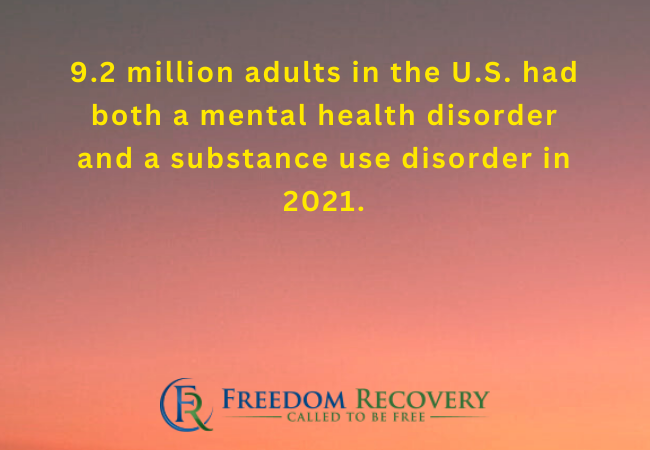
Dual diagnosis refers to the presence of both a substance use disorder (SUD)—such as alcohol addiction—and a mental health disorder in the same individual. According to the National Institute on Drug Abuse, over 9 million adults in the U.S. live with co-occurring disorders.
Mental Health Conditions Commonly Linked to Alcohol Addiction
- Major Depressive Disorder
- Generalized Anxiety Disorder
- Bipolar Disorder
- Post-Traumatic Stress Disorder (PTSD)
- Attention Deficit Hyperactivity Disorder (ADHD)
- Personality Disorders (especially Borderline Personality Disorder)
- Schizophrenia Spectrum Disorders
In many cases, individuals turn to alcohol to self-medicate emotional pain, but over time, alcohol worsens mental health symptoms, creating a vicious cycle of dependence and psychological instability.
The Dangerous Cycle of Co-Occurring Disorders
The relationship between alcohol addiction and mental health issues is bidirectional—one condition often worsens the other.
A Common Cycle of Dual Diagnosis:
- Mental health symptoms become overwhelming.
- Alcohol is used as a coping mechanism.
- Alcohol worsens mood, sleep, and emotional regulation.
- Increased drinking leads to dependence.
- Mental illness and addiction reinforce each other, making both harder to treat.
Treating only the addiction without addressing the mental health condition—or vice versa—leaves a person vulnerable to relapse, emotional breakdown, or hospitalization. This is why dual diagnosis treatment is critical.
Integrated Dual Diagnosis Treatment at Freedom Recovery
At Freedom Recovery, we offer comprehensive, integrated care that treats the whole person—not just the addiction. Our licensed clinical and psychiatric team collaborates to ensure clients receive support for both their substance use and mental health needs.
Core Elements of Our Dual Diagnosis Treatment Program:
- Comprehensive Psychological Assessment
- Individualized Treatment Planning
- Medication Management and Psychiatric Support
- Cognitive Behavioral Therapy (CBT)
- Dialectical Behavior Therapy (DBT)
- Trauma-Informed Therapy
- Group Therapy and Peer Support
- Family Therapy and Education
- Mindfulness, Nutrition, and Holistic Healing
By combining clinical expertise with compassionate care, we help individuals address the root causes of both conditions and rebuild their lives from the inside out.
Levels of Care Available for Dual Diagnosis Clients
We offer multiple levels of care, allowing clients to receive the intensity of treatment that matches their condition and lifestyle needs.
Inpatient Alcohol Rehab in Ohio
- 24/7 supervised care
- Structured environment with zero access to alcohol
- Ideal for those with acute psychiatric or addiction needs
Intensive Outpatient Rehab in Ohio (IOP)
- Several therapy sessions per week while living at home or in sober living
- Access to psychiatric care, MAT, and counseling
- A flexible yet structured solution for those who don’t require inpatient care
Outpatient Treatment in Ohio
- Weekly individual and group therapy sessions
- Best for those with mild symptoms or transitioning from higher levels of care
- Continued accountability and relapse prevention
Why Dual Diagnosis Often Goes Undiagnosed
One of the biggest challenges in treating dual diagnosis is that symptoms often overlap. For example:
- Depression may appear as fatigue from alcohol use.
- Anxiety could be mistaken for alcohol withdrawal.
- Mania in bipolar disorder might be masked by binge drinking behavior.
Without a thorough evaluation by trained professionals, dual diagnosis can be missed, leading to ineffective treatment or early relapse. At Freedom Recovery, we ensure each client undergoes a full psychiatric assessment to uncover and properly diagnose co-occurring conditions.
The Importance of Long-Term Support and Relapse Prevention
Dual diagnosis recovery doesn’t stop when rehab ends. Long-term success depends on ongoing care, monitoring, and support. Mental health symptoms can persist or fluctuate, and stressors can trigger a return to alcohol use.
Our Long-Term Recovery & Aftercare Services Include:
- Ongoing Therapy & Medication Management – Regular check-ins with therapists and psychiatrists help monitor symptoms and adjust treatment as needed.
- Sober Living Partnerships – Transitional housing for individuals who need structured support in early recovery.
- Alumni Program & Peer Support – Monthly meetings, events, and sober social activities to stay connected to a recovery network.
- Relapse Prevention Planning – We work with each client to identify triggers, create coping strategies, and implement daily routines that support sobriety and emotional health.
- Community Resource Navigation – Employment services, educational support, and housing referrals to help build a stable, meaningful life after rehab.
Clients who remain actively engaged in their aftercare plan are significantly more likely to achieve long-term sobriety and improved mental health.
Why Choose Freedom Recovery for Dual Diagnosis Treatment
Freedom Recovery is not just a drug rehab center in Ohio—we are a full-spectrum mental health and addiction recovery provider. Our dual diagnosis program is tailored to each individual’s needs and supported by a multidisciplinary team of:
- Licensed therapists
- Addiction counselors
- Medical doctors
- Psychiatrists
- Case managers
- Peer support specialists
We also provide trauma-informed care, family involvement, and a holistic focus to treat the mind, body, and spirit in harmony.
Conclusion
You don’t have to choose between mental health and addiction recovery—you can heal from both. At Freedom Recovery, we’re here to guide you toward a life of stability, peace, and purpose through alcohol addiction treatment in Ohio that fully addresses your mental health needs.
Call us today at 614.754.8051 to speak with a dual diagnosis specialist to learn more about our inpatient, outpatient, and intensive outpatient programs. Recovery is possible—and we’re ready when you are.
FAQ About Alcohol Rehab and Dual Diagnosis
What is dual diagnosis in addiction treatment?
Dual diagnosis refers to the presence of both a substance use disorder (like alcohol addiction) and a mental health disorder, such as depression, anxiety, PTSD, or bipolar disorder. Effective recovery requires treating both conditions simultaneously.
How common is dual diagnosis?
According to the National Institute on Drug Abuse, more than 9 million adults in the U.S. experience both addiction and a co-occurring mental health condition. Dual diagnosis is common but often underdiagnosed or untreated.
Why is treating both conditions together important?
When only one disorder is treated, the other can trigger relapse. Integrated care—like what’s offered at Freedom Recovery—addresses both addiction and mental health, providing tools to manage symptoms and maintain long-term recovery.
What mental health issues often co-occur with alcohol addiction?
Common co-occurring disorders include:
-
Depression
-
Anxiety disorders
-
PTSD
-
Bipolar disorder
-
ADHD
-
Personality disorders
What are the signs I may have a dual diagnosis?
-
Using alcohol to cope with emotions or trauma
-
Increased alcohol use during times of anxiety or depression
-
Mood swings, panic attacks, or emotional numbness
-
Difficulty staying sober despite repeated attempts
-
Diagnosed mental illness along with alcohol dependence
What types of therapy are used in dual diagnosis treatment?
At Freedom Recovery, we use:
-
Cognitive Behavioral Therapy (CBT)
-
Dialectical Behavior Therapy (DBT)
-
Trauma-informed care
-
Medication management
-
Group and individual therapy
-
Family counseling
What levels of care are available for dual diagnosis in Ohio?
Freedom Recovery offers:
-
Inpatient Alcohol Rehab in Ohio – 24/7 care in a structured environment
-
Intensive Outpatient Rehab in Ohio (IOP) – Structured support while living at home
-
Outpatient Treatment in Ohio – Flexible sessions for those with stable mental health and support systems
Can medication be part of dual diagnosis treatment?
Yes. Our licensed psychiatric team may prescribe medications to stabilize mental health symptoms and manage alcohol cravings. Medication-assisted treatment (MAT) is used when appropriate.