



Addiction is a deeply personal struggle, and for many, the path to recovery begins with a single, challenging question: Can drug rehab really work? This question is often accompanied by fears, doubts, and misinformation. While it’s natural to be skeptical, the truth is that evidence-based treatment has helped countless individuals reclaim their lives from substance use. The key lies in understanding what drug rehab really entails—and separating the myths from the facts.
In this blog, we’ll dive into the science and structure of addiction recovery programs, challenge some of the most pervasive myths, and shed light on how structured rehabilitation can truly transform lives.
The Roots of Doubt: Why People Question Rehab
There’s a lingering stigma around addiction treatment that often clouds public perception. Part of the doubt surrounding rehab’s effectiveness comes from high-profile relapse stories or a misunderstanding of what treatment actually involves. Addiction, however, is a chronic but treatable medical condition, not a moral failing. Just like diabetes or hypertension, it requires a long-term approach that combines medical care, behavioral therapy, and lifestyle adjustments.
Another reason people question rehab is due to personal or anecdotal experiences where treatment didn’t work—often because it wasn’t the right program, wasn’t long enough, or lacked post-treatment support. But when matched correctly with individual needs, drug rehab can and does work. Those who complete a structured Drug Rehab Treatment Program in Columbus, Ohio often report meaningful improvements in their health, relationships, and ability to lead productive lives.
Myth #1: “Rehab is a One-Time Fix”
Fact: Addiction recovery is not a single event; it’s a lifelong journey.
One of the most persistent myths is that a person can enter rehab once and be permanently “cured.” This belief ignores the chronic nature of substance use disorders. Effective treatment programs don’t promise a quick fix but instead focus on equipping individuals with coping tools, relapse prevention strategies, and healthy habits that they can carry into long-term recovery.
Rehab is the beginning of healing—not the end. Ongoing therapy, peer support, and sometimes medication-assisted treatment are crucial for sustaining sobriety. Just as with other chronic conditions, setbacks may occur, but they don’t mean treatment has failed. They simply indicate that further support is needed.
Myth #2: “You Have to Hit Rock Bottom First”
Fact: Early intervention can prevent devastating consequences.
Popular media often portrays recovery beginning only after someone has lost everything. While hitting “rock bottom” may be a powerful motivator for some, waiting for that point is both dangerous and unnecessary. People can and do recover at any stage of addiction.
In fact, seeking help early can greatly improve outcomes. The longer a person struggles without support, the more damage is done to their health, relationships, and quality of life. Intervention strategies and compassionate outreach have helped many begin recovery before enduring life-altering consequences.
Myth #3: “All Rehabs Are the Same”
Fact: Treatment centers vary widely in approach, quality, and focus.
Another misconception is that all treatment programs offer the same services. In reality, there are many types of rehab, including inpatient, outpatient, holistic, dual-diagnosis, and medically supervised detox programs. Choosing the right program depends on the individual’s substance use history, co-occurring mental health disorders, support system, and personal preferences.
At Freedom Recovery, for example, personalized care is prioritized. From evidence-based therapies to family counseling and aftercare planning, programs are tailored to address the unique needs of each person, improving the chances of sustained recovery.
The Science Behind Effective Drug Rehab
Successful treatment is grounded in scientific research and clinical practice. Effective programs incorporate behavioral therapies like Cognitive-Behavioral Therapy (CBT), Dialectical Behavior Therapy (DBT), group therapy, and individual counseling. These interventions help individuals identify the root causes of addiction, challenge unhealthy thought patterns, and learn new ways to manage stress and cravings.
In some cases, medication is also used to support recovery—especially for opioid or Alcohol Addiction Treatment Ohio. These medications reduce withdrawal symptoms and cravings, giving individuals a better chance of staying engaged in therapy.
Rehab also addresses lifestyle changes. Proper nutrition, exercise, and emotional regulation become part of a healthier daily routine that supports sobriety long after formal treatment ends.
The Role of Structure and Accountability
Another critical component of recovery is the structure provided by rehab. In active addiction, daily life often becomes chaotic, with routines focused on acquiring and using substances. Structured treatment programs replace that chaos with consistency—daily schedules, counseling sessions, group meetings, and regular check-ins help reintroduce accountability.
This structure is especially beneficial for individuals enrolled in programs like an Intensive Outpatient Program Ohio, which offers rigorous support while still allowing the flexibility to live at home or continue working. These programs help bridge the gap between inpatient care and independent living.
Community and Peer Support
Isolation is one of addiction’s most dangerous companions. Many who struggle with substance use find themselves alienated from loved ones, ashamed to ask for help, or surrounded by unhealthy influences. Rehab provides not just therapy, but community.
Group therapy, 12-step programs, and peer-led support groups play a vital role in fostering connection. They offer a space where individuals can speak openly, learn from others, and realize they’re not alone. This sense of shared struggle and mutual encouragement can be incredibly healing.
Life After Rehab: Relapse Is Not Failure
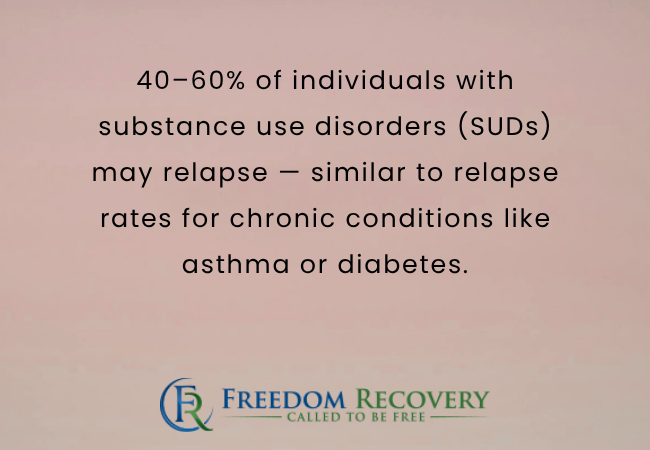
One of the greatest myths about recovery is that relapse equals failure. This is a dangerous belief that can discourage individuals from seeking help again. In truth, relapse is common and should be viewed as an opportunity to strengthen one’s recovery plan.
Long-term recovery includes ongoing care such as therapy, peer support, and sometimes re-engaging with structured programs like Outpatient Treatment Services Ohio to reinforce coping skills and accountability. It’s a continuum—not a binary success/failure outcome.
Why Choose Us?
At Freedom Recovery, we understand that every recovery journey is personal. That’s why our programs are built on a foundation of compassion, clinical excellence, and individualized care. Our team takes the time to understand your story—your struggles, goals, and needs—and crafts a treatment plan tailored just for you.
We offer a full continuum of care, from detox and inpatient services to flexible outpatient programs, including evidence-based therapies, family involvement, and relapse prevention strategies. Our goal is not only to help you achieve sobriety but to empower you to thrive in life after rehab.
As an addiction treatment center Ohio residents trust, we prioritize your dignity, your healing, and your long-term success. Our facility is more than a place to recover—it’s a place to rediscover hope, rebuild confidence, and restore your future.
Conclusion
So, can drug rehab really work? The answer is a resounding yes—when it’s approached with the right mindset, matched to the individual’s needs, and supported by evidence-based practices. The journey may not be easy, and it won’t be without challenges, but thousands of people have reclaimed their lives with the help of professional rehab.
It’s time to challenge the myths that keep people from seeking help. Whether you’re considering rehab for yourself or a loved one, know that hope is real, and healing is possible.
For compassionate, personalized, and proven support, Freedom Recovery is here to walk with you every step of the way. Contact our team today at 888.643.7567 to begin your journey toward lasting recovery—and take the first step in a new direction with a team that’s committed to your transformation.
Frequently Asked Questions (FAQs)
Does drug rehab really help people recover from addiction?
Yes, drug rehab can be highly effective when it’s matched with a person’s unique needs. Evidence-based therapies, professional support, and aftercare all play crucial roles in long-term recovery.
Why do some people relapse after completing rehab?
Relapse doesn’t mean treatment failed. Addiction is a chronic condition, and relapses can be part of the recovery process. Continued care, support, and adjustments to treatment can help individuals stay on track.
Is inpatient rehab more effective than outpatient treatment?
Not always. The most effective treatment depends on the individual’s situation. Inpatient rehab offers structured care, while outpatient programs provide flexibility for those with work or family responsibilities.
How long does it take for rehab to start working?
Positive results can begin within a few weeks, but long-term recovery takes time. Most programs last between 30 to 90 days, and ongoing support is crucial for lasting success.
Do all drug rehab centers offer the same type of care?
No, rehab centers vary widely. Some specialize in mental health, others focus on medical detox, holistic treatment, or dual diagnosis. It’s important to choose a program that aligns with the individual’s specific needs.