



Entering drug rehab is a life-changing decision, but the journey to recovery is just beginning. The first 30 days are crucial because they set the foundation for long-term sobriety, helping individuals detox, gain emotional stability, and develop the skills necessary to maintain a drug-free life.
At Freedom Recovery, we understand that early recovery can be overwhelming, but with the right treatment plan, support system, and commitment, individuals can break free from addiction for good. Whether you’re considering alcohol addiction treatment in Ohio, drug rehab, or outpatient rehab in Ohio, this guide will help you understand what to expect during the first month of rehab.
Week 1: Medical Detox and Physical Stabilization
For many individuals, the first step in rehab is detoxification, where the body eliminates harmful substances. Drug withdrawal symptoms can vary widely depending on the substance used, duration of addiction, and overall health.
What to Expect in the First Week of Rehab
- Comprehensive Medical Assessment – Upon arrival, medical professionals conduct a full physical and psychological evaluation, including lab tests, mental health screenings, and a personal addiction history review.
- Medication-Assisted Detox – Withdrawal symptoms can be dangerous, so medications such as buprenorphine, methadone, or naltrexone may be used to ease cravings and discomfort.
- 24/7 Medical Supervision – Patients receive round-the-clock monitoring to ensure safety, prevent dehydration, and manage symptoms.
Common Withdrawal Symptoms by Substance:
- Alcohol: Tremors, sweating, seizures, anxiety, hallucinations
- Opioids (Heroin, Prescription Painkillers): Nausea, body aches, insomnia, flu-like symptoms
- Stimulants (Cocaine, Meth): Depression, exhaustion, mood swings
- Benzodiazepines (Xanax, Valium): Panic attacks, seizures, insomnia
Why Detox is Necessary
Detox clears the body of harmful substances and prepares individuals for the next stage of treatment—therapy and behavioral rehabilitation.
Week 2: Therapy and Emotional Healing
Once withdrawal symptoms subside, the focus shifts to understanding addiction and healing emotional wounds. Many individuals enter rehab struggling with trauma, stress, anxiety, and depression, which must be addressed for lasting recovery.
Therapies Offered in Drug Rehab
- Individual Therapy – One-on-one sessions with licensed therapists help patients uncover the root causes of addiction and develop healthier ways to cope.
- Cognitive Behavioral Therapy (CBT) – Teaches patients how to recognize negative thought patterns and replace them with healthier coping mechanisms.
- Dialectical Behavior Therapy (DBT) – Helps individuals manage intense emotions and impulsive behaviors that contribute to addiction.
- Group Therapy – Provides a safe space to share experiences and build a support network.
- Family Therapy – Addresses strained relationships and helps families understand addiction and recovery.
Healing Co-Occurring Mental Health Conditions
Many individuals struggling with addiction also have co-occurring disorders such as:
- Depression – Leading to self-medication with alcohol or drugs.
- Anxiety – Triggering drug use as a coping mechanism.
- PTSD & Trauma – Creating long-term emotional distress that fuels addiction.
Why Therapy is Essential
Without addressing the psychological causes of addiction, relapse is highly likely. Freedom Recovery ensures that every individual receives tailored dual diagnosis treatment if mental health disorders are present.
Week 3: Rebuilding Healthy Habits and Life Skills
By the third week, patients begin working on lifestyle changes that support long-term recovery. Addiction affects more than just physical health—it disrupts daily routines, relationships, careers, and finances.
Key Focus Areas in Week 3
- Building a Daily Routine – Addiction creates chaos, and rehab introduces structure and accountability.
- Developing Coping Strategies – Patients learn stress management techniques like meditation, exercise, and journaling.
- Practicing Self-Care – Proper nutrition, sleep, and exercise improve mental clarity and physical health.
- Strengthening Communication Skills – Learning how to express emotions and resolve conflicts without turning to substances.
Life Skills Training
For many individuals, addiction has impacted their ability to function independently. Freedom Recovery’s drug rehab center in Ohio provides life skills training, including:
- Financial management and budgeting
- Resume building and job readiness programs
- Healthy relationship development
- Conflict resolution techniques
Why This Phase Matters
Without healthy routines and skills, individuals are at high risk of returning to old habits. Rehab ensures they leave with the tools needed to navigate life without drugs or alcohol.
Week 4: Transitioning to Long-Term Recovery
As the 30-day mark approaches, patients begin planning for life after rehab. Transitioning from a structured treatment setting to the real world requires careful planning and ongoing support.
Developing a Personalized Aftercare Plan
- Outpatient Treatment in Ohio – Many patients step down to intensive outpatient rehab in Ohio (IOP), where they continue therapy but return home daily.
- Sober Living Homes – For those needing additional structure, sober living homes provide a supportive, substance-free environment.
- 12-Step Meetings & Support Groups – Connecting with Alcoholics Anonymous (AA) or Narcotics Anonymous (NA) ensures ongoing peer support.
- Ongoing Therapy & Counseling – Maintaining mental health and emotional stability is crucial, even after inpatient rehab.
Relapse Prevention Strategies
Rehab doesn’t just treat addiction—it prepares individuals for challenges that could lead to relapse. Patients work with counselors to develop strategies for:
- Identifying and avoiding high-risk situations
- Handling cravings and triggers
- Building a sober support network
Why Aftercare is Critical
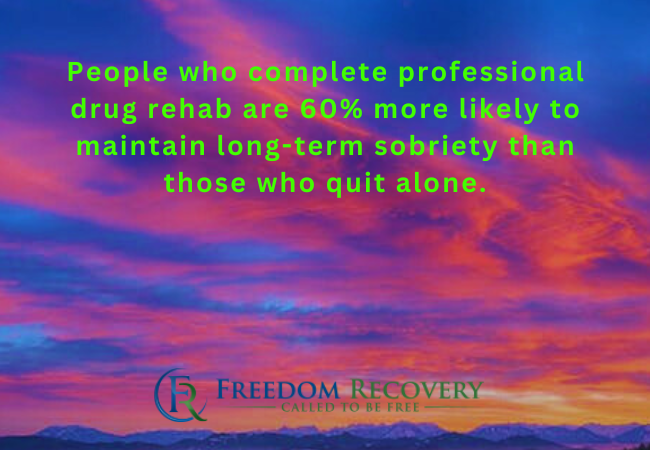
Up to 60% of individuals relapse without structured aftercare, but with ongoing therapy, peer support, and accountability, long-term recovery is highly achievable.
Why Choose Freedom Recovery?
At Freedom Recovery, we offer personalized, evidence-based treatment to help individuals overcome addiction. Our drug rehab center in Ohio provides:
- Medical detox with 24/7 supervision
- Inpatient and outpatient treatment options
- Expert therapy for trauma, anxiety, and co-occurring disorders
- Relapse prevention planning and long-term aftercare
We don’t just help people quit substances—we help them rebuild their lives.
Conclusion
The first 30 days of rehab lay the foundation for a healthier, substance-free life. While the road to recovery may seem challenging, every step forward brings you closer to freedom from addiction. At Freedom Recovery, we are committed to guiding you through this transformative process with compassion, expertise, and personalized care.
No matter how long you’ve struggled with addiction, it’s never too late to seek help. Whether you need inpatient care, intensive outpatient rehab in Ohio, or ongoing support through outpatient treatment, our team is here to help you build a future free from drugs and alcohol. Call us today at 614.754.8051 to speak with a recovery specialist. You deserve a life filled with hope, health, and happiness. Let us help you reclaim it.
FAQ About The First 30 Days of Drug Rehab
What happens during the first 30 days of drug rehab?
The first month of rehab typically includes medical detox, therapy, emotional healing, and life skills training. Patients begin by managing withdrawal symptoms, followed by participating in therapy to address the root causes of addiction.
How long does detox take?
Detox length varies based on the substance and severity of addiction, but it generally lasts 3 to 10 days. After detox, patients transition into structured therapy and addiction education.
Will I receive therapy during the first 30 days?
Yes! Therapy is a core component of rehab. Patients participate in individual counseling, group therapy, cognitive behavioral therapy (CBT), dialectical behavior therapy (DBT), and family therapy to address addiction and mental health concerns.
What types of treatment programs are available?
At Freedom Recovery, we offer:
- Inpatient Rehab: 24/7 supervised care in a structured environment.
- Outpatient Rehab in Ohio: Flexible treatment while living at home.
- Intensive Outpatient Rehab in Ohio (IOP): A step between inpatient and standard outpatient care.
- Medication-Assisted Treatment (MAT): Helps manage withdrawal symptoms and cravings.
Will I have medical supervision during detox?
Yes, our addiction treatment center in Ohio provides 24/7 medical monitoring to ensure safe detoxification. Medications may be prescribed to reduce withdrawal discomfort.
What if I have a mental health condition along with addiction?
We offer dual diagnosis treatment for individuals with co-occurring disorders such as depression, anxiety, PTSD, and bipolar disorder. Treating both conditions together improves long-term recovery outcomes.
How does rehab help prevent relapse?
Patients learn relapse prevention strategies, including:
- Identifying and avoiding triggers
- Developing coping skills for stress and cravings
- Creating a long-term aftercare plan with continued therapy and support groups
What happens after the first 30 days of rehab?
After 30 days, individuals transition to outpatient rehab, intensive outpatient treatment, sober living, or aftercare programs depending on their progress and needs.