



Addiction recovery is a deeply personal journey, and one of the key questions many individuals face when entering treatment is: How long should drug rehab last? The right duration for drug rehab can vary greatly from person to person, as addiction is a complex condition influenced by various factors. Some individuals may require a shorter treatment period, while others may need a more extended stay to achieve long-term recovery.
At Freedom Recovery, we understand that the duration of drug rehab should be tailored to meet each individual’s specific needs. In this blog, we will explore the different factors that influence the ideal length of a rehab program, the various types of treatment programs available, and how to determine the best duration for successful recovery.
The Importance of Program Duration in Addiction Recovery
The length of a drug rehab program plays a critical role in the overall success of the treatment process. While many treatment centers offer varying lengths of stay, ranging from short-term to long-term programs, the right program duration depends on the individual’s specific circumstances. Factors such as the severity of addiction, the presence of co-occurring mental health disorders, previous treatment experiences, and personal goals all play a role in determining how long rehab should last.
A longer program allows for more comprehensive care and a better chance at long-term recovery, especially for those who have struggled with addiction for many years. However, shorter programs can also be effective, particularly when they are combined with follow-up care and support.
Factors to Consider When Determining the Length of Rehab
Several factors must be taken into account when determining the appropriate length of rehab treatment. These factors include:
1. Severity of Addiction
The severity of the addiction is often the most significant factor in deciding how long rehab should last. Individuals with severe addiction issues or those who have been using drugs or alcohol for extended periods often require longer treatment programs to address their physical and emotional needs.
For example, someone who has been battling addiction for years may need a longer stay in a Drug Rehab Treatment Center in Columbus, Ohio, to break the cycle of substance abuse and learn healthier coping mechanisms.
2. Co-occurring Mental Health Disorders
Addiction often occurs alongside mental health conditions such as depression, anxiety, or PTSD. Individuals with co-occurring disorders require specialized treatment that addresses both issues simultaneously. This dual diagnosis approach often requires longer treatment durations to ensure both addiction and mental health conditions are thoroughly treated.
At Freedom Recovery, our comprehensive programs are designed to address the full spectrum of an individual’s needs, including the integration of mental health treatment and addiction recovery. An Intensive Outpatient Program Ohio may offer the flexibility needed for those with co-occurring disorders while still providing intensive treatment.
3. Previous Treatment Experiences
For individuals who have been through rehab before, the length of their treatment may depend on their previous experience. Those who have relapsed after a previous treatment program may need a more extended treatment duration or a different approach to care. An individual who has not completed prior treatment may need a more extended period to fully address the root causes of their addiction and begin their recovery journey.
4. Personal Recovery Goals
Each individual’s goals for recovery may differ. Some people may feel ready to move through treatment more quickly, while others may want to take a slower, more gradual approach. The treatment duration should be aligned with the person’s goals for recovery, whether that means a short-term program or a longer-term treatment plan that includes follow-up care and aftercare programs.
At Freedom Recovery, we take the time to understand each individual’s unique goals and tailor the treatment program to suit those needs, ensuring they receive the level of care necessary to succeed.
Types of Drug Rehab Programs and Their Durations
The length of a drug rehab program is often determined by the type of program chosen. There are several treatment options available, each with its own recommended duration. Below are the most common types of drug rehab programs and how long they typically last:
1. Inpatient Treatment Programs
Inpatient treatment programs offer the most intensive level of care and are often recommended for individuals with severe addiction. These programs require individuals to stay at a treatment facility for the duration of the program, where they receive round-the-clock care, support, and therapy. Inpatient rehab programs usually last between 30 to 90 days, depending on the individual’s progress.
2. Outpatient Treatment Programs
Outpatient treatment programs provide flexibility for individuals who do not need 24/7 supervision but still require regular therapy and support. These programs allow individuals to live at home or in a sober living environment while attending treatment several times a week. The duration of outpatient programs can vary from several weeks to several months, depending on the individual’s needs.
Outpatient Treatment Services Ohio provide individuals with the opportunity to continue working, attending school, and maintaining other responsibilities while receiving the care they need. These programs may also offer flexible scheduling to accommodate the individual’s life.
3. Intensive Outpatient Programs (IOP)
Intensive Outpatient Programs (IOPs) offer a more structured level of care than regular outpatient programs but are less intensive than inpatient programs. IOPs provide individuals with the opportunity to attend therapy sessions several times a week for several hours per session. Typically, IOPs last anywhere from 30 to 90 days, depending on the individual’s needs.
For individuals who have completed detoxification or inpatient care but still require a more intensive level of support, an Intensive Outpatient Program Ohio may be the perfect option. IOPs offer flexibility while still providing the necessary structure for recovery.
4. Residential Treatment Programs
Residential programs are similar to inpatient programs but tend to be more long-term. These programs may last anywhere from 60 to 120 days or more. They offer a highly structured and supportive environment that helps individuals remain focused on their recovery without distractions from the outside world.
These programs are often beneficial for individuals who have struggled with long-term addiction or multiple relapses. Residential treatment centers provide a safe space for healing and a variety of therapeutic options to support long-term recovery.
5. Aftercare and Sober Living Programs
Aftercare programs and sober living homes are designed to help individuals maintain their sobriety after completing their initial treatment program. These programs can last for several months or longer, and they provide ongoing support, therapy, and resources to help individuals transition back to everyday life while staying sober.
At Freedom Recovery, we offer comprehensive aftercare services to help individuals navigate the challenges of life after treatment. Aftercare is a crucial part of the recovery process and is essential for preventing relapse.
Determining the Right Length of Rehab for You
When determining the right length of rehab for you or a loved one, it’s important to take several factors into account. At Freedom Recovery, we believe that there is no one-size-fits-all approach to addiction treatment. We work closely with each individual to create a personalized treatment plan that is designed to address their specific needs and goals.
Our Addiction Treatment Center Ohio offers a variety of programs, including both outpatient and inpatient treatment options, to ensure that we can meet the diverse needs of our clients. We also provide individualized care to address not only addiction but also any underlying mental health conditions that may contribute to substance use.
It’s important to consult with a qualified treatment professional to determine the best program length for your unique situation. Whether you need an Addiction Treatment Center Ohio or Drug Rehab Treatment Center in Columbus, Ohio, we can help guide you to the right program to help you achieve lasting recovery.
Why Choose Us
At Freedom Recovery, we believe in providing a comprehensive approach to addiction recovery that focuses on healing the whole person—mind, body, and spirit. We offer flexible treatment options to suit your individual needs, including both inpatient and outpatient programs, and our team of compassionate professionals is dedicated to helping you on your journey to sobriety. Whether you’re looking for a Drug Rehab Treatment Center in Columbus, Ohio, or Outpatient Treatment Services Ohio, we are here to provide the support you need to build a brighter, sober future.
Conclusion
The length of drug rehab treatment is a critical factor in the recovery process. The right treatment duration depends on various factors, including the severity of addiction, co-occurring mental health issues, and individual recovery goals. Whether you need a short-term Intensive Outpatient Program Ohio or a more extended stay at a residential treatment center, the goal is always to provide the most effective care for long-term recovery.
If you or a loved one is ready to begin the journey to recovery, contact Freedom Recovery today to learn more about our personalized treatment programs. We are here to support you every step of the way. Call us at 888.643.7567 to take the first step toward a healthier, sober future.
Frequently Asked Questions (FAQs)
What is the average duration of a drug rehab program?
The average drug rehab program lasts between 30 and 90 days. However, some individuals may benefit from extended care, such as 120-day or ongoing outpatient programs, depending on their needs.
Can I choose how long I stay in rehab?
While treatment professionals will recommend an appropriate duration based on your assessment, many programs offer flexibility. Your preferences, work, family obligations, and financial considerations can be taken into account.
What type of rehab program has the shortest duration?
Detox and short-term outpatient programs are generally the shortest, ranging from 7 to 30 days. These programs are best suited for those with mild substance use disorders and strong support systems.
Is longer treatment more effective?
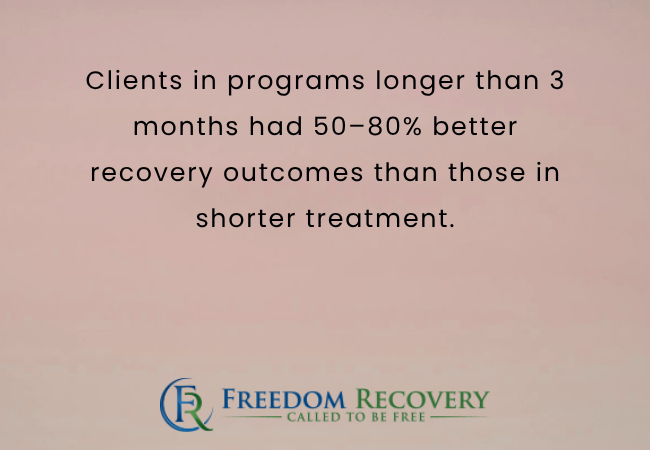
In many cases, yes. Studies show that longer treatment durations often lead to better recovery outcomes. Extended programs allow individuals more time to develop healthy coping skills and avoid relapse.
Can I transition from inpatient to outpatient rehab?
Absolutely. Many people begin with inpatient care and then transition to outpatient or intensive outpatient programs for continued support while reintegrating into daily life.